
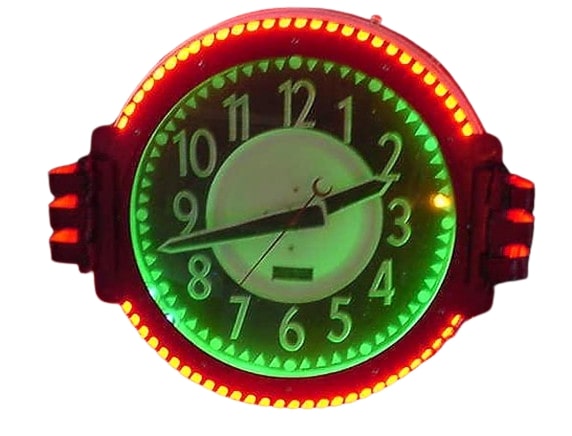
A real advertising clock can change a room faster than almost any sign on the wall. The sweep of the hands, the aged glass, the company name across the dial – it is motion, color, and history all working at once. That is why serious buyers looking for antique advertising clocks for sale usually are not just shopping for decor. They are trying to buy an original survivor that still carries the weight of the business that issued it.
That distinction matters. In this corner of the market, there is a huge difference between an old clock and an original company advertising clock. One is simply vintage. The other is a piece of American commercial history, tied to a brand, a place, and a time when stores, gas stations, bottlers, tire dealers, and hardware counters used these pieces to sell product and hold attention.
What makes antique advertising clocks worth buying
Good examples do more than tell time. They were made to hold a customer’s eye, and the best ones still do exactly that. Coca-Cola clocks, automotive service station clocks, brewery clocks, and regional dealer pieces all have that same pull. They bring graphics, typography, and mechanical presence together in a way flat signs cannot.
Collectors tend to value them for a few reasons at once. First is originality. A clock with its correct face, case, movement, hands, glass, and advertising panel stands in a different class than one built up from parts. Second is rarity. Some clocks were issued nationally, while others were made for a local bottler, distributor, or dealer and survived in far smaller numbers. Third is display value. A working Pam, Telechron, Sessions, or similar period advertising clock has life to it. On a garage wall, in a showroom, over a back bar, or in a collection room, it becomes a focal point immediately.
There is also the simple fact that clocks cross categories. A gas and oil collector may buy them. So does a Coca-Cola collector. So do buyers who care less about the brand and more about period Americana. That wider demand helps support strong values for original pieces, especially when condition and authenticity line up.
Antique advertising clocks for sale – what buyers should look at first
The first question is never whether the clock looks good in a photo. It is whether the piece is original as offered. Reproduction and fantasy material has been around this hobby for years, and clocks are no exception. Some are obvious. Others are put together well enough to catch buyers who do not know what they are seeing.
Start with the dial and advertising graphics. Are they age-consistent with the case, bezel, and movement? A face that looks freshly printed inside a heavily aged housing should raise a flag. The reverse can also be true. If the case is suspiciously clean but the dial is pushed as heavily aged, something may be off. On original clocks, wear usually makes sense across the whole piece.
Then look at the construction. The back, mounting points, cord exit, fasteners, and movement housing tell a story. Original factory construction tends to have a coherence that assembled pieces often lack. The paint, lithography, and metal surfaces should feel of the period, not artificially distressed to fake age.
The movement matters too, but not always in the way new buyers assume. A replaced motor or serviced movement does not automatically kill value if the clock itself remains original and the repair was done honestly. Mechanical and electric clocks needed service over decades of use. What hurts confidence is undisclosed replacement, mismatched components, or a clock represented as untouched when it clearly is not.
Originality matters more than perfection
Many buyers get hung up on condition before they understand the market. Condition is important, but originality usually comes first. An honest clock with age, wear, and a few flaws will often be far more desirable than a cleaner example that has been repainted, re-screened, or rebuilt out of unrelated parts.
That does not mean condition is secondary in every case. It depends on the clock, the brand, and the level of collecting. On a scarce regional piece, buyers may tolerate heavier wear because they know another one may not come along soon. On a more commonly seen national brand clock, condition can have a stronger effect on price because buyers have more room to wait for a better example.
Glass is one area where trade-offs get real. Original reverse-painted glass or branded glass can be fragile and often does not survive untouched. If a clock retains its original glass with expected age, that is a major plus. If the glass has been replaced, the clock may still display well, but value and collector confidence are affected. The same goes for hands, bezels, backs, and dials.
How pricing works on antique advertising clocks for sale
There is no single price chart that covers this category cleanly. Brand, rarity, size, maker, originality, and eye appeal all move the number. A common advertising wall clock with decent graphics may bring modest collector money. A rare service station clock, an unusual counter model, or a highly desirable soda brand example can move far beyond that.
Size plays a role, but not always the way people think. Bigger clocks often display better, but rarity can outweigh scale. A smaller clock from a hard-to-find regional issuer may be stronger than a larger but more common national piece.
Condition adjustments can be dramatic. Strong color, clear lettering, original finish, and a clean dial help. Damage, replaced parts, refinishing, and questionable restoration pull value down. Working status matters for some buyers, especially decorators and commercial display buyers, but among experienced collectors it is usually authenticity first, function second. A correct original clock that needs service can still be the right buy. A polished-up fake that runs perfectly is still the wrong one.
Where buyers get into trouble
The biggest mistake is buying on appearance alone. A lot of clocks look right at ten feet. The problem shows up when you study the details. Fresh graphics, incorrect fonts, mismatched aging, modern hardware, and suspect cases all turn up in the market.
The second mistake is trusting vague descriptions. Phrases like old, vintage style, estate fresh, or believed original do not mean much by themselves. If a seller cannot speak clearly about originality, condition, restoration, and replacement parts, that should tell you something. In a specialized market, confidence comes from direct answers.
The third mistake is assuming every restoration is acceptable if the clock displays well. There is a place for restored material, especially for buyers furnishing a themed room or business interior. But restored and original are not the same thing, and they should never be priced or represented as if they are. Buyers paying strong money deserve complete honesty.
Why specialist sellers matter
This is one of those categories where experience really counts. A specialist dealer who has handled original signs, clocks, and related advertising for years can usually spot the tells faster than a general antique seller. That matters because clocks sit at the intersection of graphics, mechanics, brand history, and condition issues. You need someone who understands all of it, not just the fact that it looks old.
That is also why guarantees matter. When a seller stands behind originality with a full money-back guarantee, including shipping, that says more than any sales pitch. It means the item is being represented with conviction, not guesswork. For buyers spending real money, that confidence is worth plenty.
At Road Relics, that collector-first approach is the whole point. Original stock, straight answers, and no patience for fantasy pieces – that is how this material should be handled.
Antique advertising clocks for sale for collectors and decorators
Not every buyer enters from the same door. Some are building advanced brand-specific collections. Others want one statement piece for a garage, office, restaurant, or bar. The good news is that original advertising clocks can satisfy both camps, but the buying standards may differ.
A dedicated collector may chase untouched condition, scarce issuers, and correct components down to the last screw. A design buyer may prioritize size, readability, color, and whether the piece anchors a room. Neither approach is wrong. The trouble starts when a decorative buy is priced as an advanced collector piece, or when a novice buyer is sold restoration as originality.
That is why good descriptions matter. Era, dimensions, maker, working status, condition notes, restoration disclosure, and photos of the back and interior should all be part of the conversation. The more transparent the listing, the better the buying experience.
The best original clocks still do what they were built to do. They stop people in their tracks. They pull a wall together. They start conversations. If you are shopping this category seriously, buy the piece, not just the picture – and give the nod to originality every chance you get.