
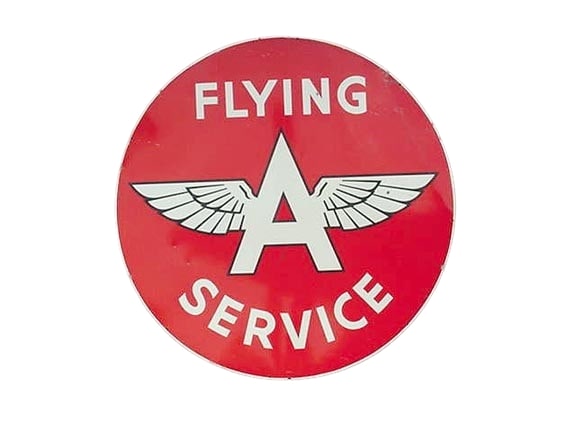
A real sign tells on itself fast. The porcelain has age where it should. The mounting holes show honest wear. The gloss is right, the color is right, and the damage makes sense for a piece that spent decades on a filling station, dealership wall, country store, or roadside pole. That is the difference buyers are looking for when they search for original antique advertising signs for sale. They are not just buying decor. They are buying a piece of American business history that survived.
That distinction matters more now than ever. The market is full of reproductions, fantasy pieces, and signs that have been cleaned up so aggressively they no longer hold much collector character. A good original still has presence. It may also have chips, edge wear, or fade, but if the piece is honest, those flaws usually add up to credibility rather than hurt it.
What makes original antique advertising signs for sale worth buying
The short answer is authenticity, scarcity, and visual impact. The longer answer is where serious buyers separate themselves from impulse shoppers.
An original sign was made for actual commercial use in its own period. It was issued by the company or by an authorized maker, and it was meant to advertise a product, brand, or service in real time. That includes gas and oil signs, soda signs, automotive dealership signs, farm and feed signs, transportation signage, trade signs, and early retail displays. When one of those pieces survives, especially in strong color with readable graphics, it carries both decorative value and collector value.
Scarcity depends on the category. Coca-Cola signs are widely collected, but the right examples are still hard to find in standout condition. Gas and oil porcelain can bring strong money because demand stays deep and the best names never really cool off. Early dealership signs and transportation pieces can be tougher still, because many were made in lower quantities or had rough working lives. Rarity is not always about age alone. It can be about survival rate, design appeal, regional distribution, or whether the sign was intended for outdoor use and simply did not last.
Then there is display power. A sign can be rare and still not be especially attractive. On the other hand, a bold porcelain gas sign with strong colors, heavy gloss, and clean typography can stop a room cold. Buyers who collect with their eyes are not wrong. The best pieces do both jobs at once.
How to judge authenticity without kidding yourself
Most mistakes happen because buyers want a sign to be real before they have earned that confidence. A straight look at the object usually tells the truth.
Porcelain signs should show natural aging in the steel and enamel, not fake distress spread evenly across the surface. Chips around the edges and holes should feel consistent with mounting and weather exposure. The back should make sense for age and use. If the front looks old but the back looks suspiciously fresh, that is a problem.
Tin signs have their own signals. Look at the lithography, the fold, the metal thickness, and the wear pattern. Old tin tends to age in a less theatrical way than reproductions. Repros often overdo rust, overdo scratches, or miss the printing character altogether. The details are usually where they give up.
Neon and clocks take a different level of scrutiny. A neon sign may be original in body but restored in glass or wiring, and that is not automatically a bad thing. It depends on how it is represented and what you want from it. The same goes for advertising clocks. Original cases, original faces, and correct movements matter, but restoration is common in that category. The key is honest disclosure.
Provenance helps, but it does not replace knowledge. A story from the seller is nice. A sign that physically checks out is better.
Condition matters, but not in a simple way
Collectors talk about condition constantly, and for good reason, but not every category is graded by the same standards. A near-mint porcelain sign is one thing. A scarce country store sign with moderate wear but no restoration may be far more desirable than a cleaner but less important piece.
The real question is whether the condition matches the sign and its market. Edge chips on porcelain are expected. Heavy touch-up should be disclosed and factored in. Surface rust on tin may be acceptable if the graphics still hold and the wear is honest. A sign can have damage and still be a great buy. It can also be too far gone, especially if the value rests mostly in visual appeal.
There is also a difference between collector condition and decorator condition. A decorator may love a beat-up sign with strong color because it looks perfect in a bar, garage, showroom, or retail space. A collector may pass because the chips hit the wrong place in the graphics or because the sign has been cleared, restored, or altered. Neither approach is wrong. They are just buying for different reasons.
Which categories keep drawing serious interest
Some areas of the market have staying power because they sit at the center of American roadside culture. Gas and oil remains one of the strongest, especially porcelain signs from major brands, regional petroleum companies, and service station pieces with sharp graphics. Automotive signs also hold up well, from tire brands to dealerships to parts and service advertising.
Coca-Cola continues to attract a broad range of buyers because the brand crosses over from advanced collectors to people furnishing restaurants, kitchens, and entertaining spaces. Transport signs, especially those tied to buses, rail, aviation, or shipping, can be incredibly appealing when the typography and design are right.
Trade signs and folk art signage deserve more respect than they sometimes get. A handmade or early commercial trade sign can carry real character, and often far more originality than heavily reproduced national brands. If you want something with soul, not just name recognition, those are worth chasing.
Buying from a specialist beats guessing from photos
A specialist seller should know what they are looking at and should be willing to stand behind it without hedging. That sounds basic, but it is not common enough.
When you are evaluating original antique advertising signs for sale, look for plain language about originality, era, dimensions, condition, and any restoration. If those basics are missing, the listing is not doing its job. Good sellers do not hide behind vague descriptions like vintage style or old look. They tell you whether the sign is original, whether it has repairs, and what the flaws are.
This is where experience counts. Someone who has spent years buying, selling, and living with real signs can usually spot problems before they ever hit inventory. That protects the buyer. It also keeps the market cleaner. At Road Relics, that collector-first approach matters because the inventory is built around 100 percent original stock, not reproduction filler, and the authenticity guarantee includes shipping costs. That kind of backing tells you the seller is not guessing.
Price, value, and the reality of the market
Not every expensive sign is overpriced, and not every cheap sign is a bargain. Value comes from the mix of rarity, condition, brand strength, size, and desirability.
Large porcelain pieces from top categories can command serious money because they check every box at once. Smaller signs may still be strong buys if they are rare, graphically sharp, or difficult to replace. On the other hand, common signs in average condition can drift into soft pricing if there is too much supply and not enough standout appeal.
You also have to decide whether you are buying for investment, display, or both. If you want the safest long-term hold, originality and quality matter more than trend. If you are buying for a room, a sign that looks right on your wall may beat a more technically valuable piece that does nothing for the space. The best outcomes usually happen when those two goals overlap.
There is no shame in buying what you love, as long as you know what you are paying for. The trouble starts when a buyer pays original money for reproduction material or overlooks condition issues that should have changed the price.
A good sign should still feel alive
The best antique advertising does more than fill a blank wall. It brings back the look of American roads, service stations, dealerships, bottling plants, downtown storefronts, and small-town commerce. It reminds people that brands once had to earn attention with steel, porcelain, paint, light, and design strong enough to stop traffic.
If you are looking at a sign and all you see is decoration, keep looking. The right piece has weight to it. It has use behind it. It has a reason for existing beyond nostalgia. That is what makes an original worth owning, and it is why the honest ones never really lose their pull.
Buy the sign that still speaks clearly after all these years. Usually, that is the real one.